


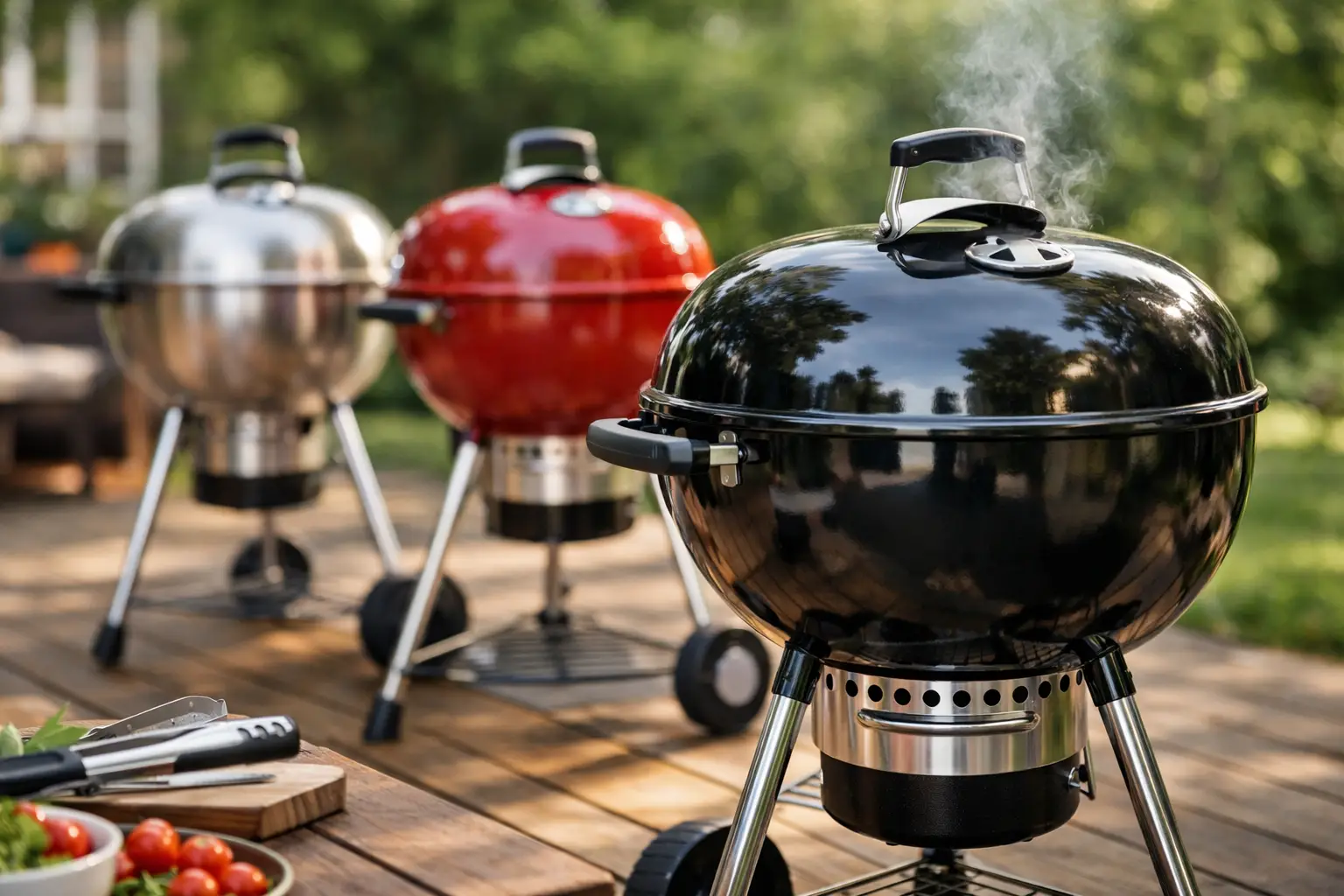
A kettle barbecue can look deceptively simple. Round bowl, domed lid, a grate and a few vents. Yet the difference between a basic model that struggles through summer and one that becomes the centrepiece of your outdoor cooking is significant. If you are wondering how to choose a kettle barbecue, the right answer is less about buying the biggest grill you can afford and more about matching performance, build quality and design to the way you actually cook and entertain.
For many UK homeowners, a kettle barbecue sits in a sweet spot. It offers the theatre of charcoal cooking, strong heat retention, enough versatility for direct and indirect grilling, and a footprint that works on patios, terraces and in more considered garden layouts. Choose well, and it can handle anything from quick midweek burgers to slower weekend roasts when friends stay late and the garden becomes the dining room.
The best kettle barbecues do two things at once. They make charcoal cooking feel intuitive, and they give you enough control to cook with confidence. That matters because a kettle is not just for sausages and skewers. With the right design, it can sear steaks, roast a chicken, cook low and slow for hours and even bake pizzas with the right accessories.
What separates a premium kettle from an entry-level one is usually a combination of airflow control, material quality and practical detailing. A well-made lid and bowl hold heat more consistently. Better vents give you finer temperature control. Stronger grates improve searing and last longer. Ash collection, trolley design and storage also make a real difference once you use the barbecue regularly rather than occasionally.
Start with the setting as much as the cooking. A kettle barbecue should fit comfortably into your outdoor space without feeling like an afterthought. If you have a compact patio or a smaller urban garden, a streamlined model on a simple wheeled frame may be ideal. If your barbecue area is part of a broader outdoor kitchen or entertaining zone, the kettle needs to look intentional and sit well alongside prep surfaces, seating and storage.
Size matters, but not always in the obvious way. A larger cooking area gives you more flexibility for entertaining, especially if you regularly cook for six or more. It also makes indirect cooking easier because you have more room to bank coals to one side. That said, a very large kettle can feel excessive for smaller households and may use more fuel than necessary for everyday grilling.
Think about how many people you usually cook for, but also how you host. If your style is relaxed lunches and family suppers, a mid-sized kettle is often the smartest choice. If your garden is designed for bigger gatherings and you like to cook multiple elements at once, stepping up in size can make service smoother and more enjoyable.
A kettle barbecue lives outdoors, faces repeated high heat and is often moved around the garden. That is why material quality should be near the top of your checklist. Porcelain-enamelled bowls and lids are popular for good reason. They resist rust well, retain heat effectively and are relatively easy to clean. Thin metal, by contrast, tends to lose heat quickly and can deteriorate faster in the UK climate.
Pay attention to the frame and wheels too. If the barbecue feels unsteady in the showroom or in product imagery, that will not improve after a season of use. A solid base gives you confidence when lifting the lid, shifting position or cooking on uneven paving. Sturdy wheels are especially useful if you store the barbecue under cover and move it into place when entertaining.
The cooking grate is another detail worth scrutinising. Stainless steel and cast iron both have strengths. Stainless steel is durable and lower maintenance, while cast iron holds heat beautifully and creates stronger sear marks. The right choice depends on whether you prioritise convenience or a more restaurant-style finish.
Anyone can light charcoal. Cooking with consistency is where a better kettle proves its value. Vents at the top and bottom of the barbecue regulate oxygen flow, which controls how fiercely the coals burn. Good vent design allows gradual adjustment rather than a crude open-or-shut approach.
If you enjoy cooking beyond the basics, look for a kettle with responsive airflow control and a lid thermometer. The thermometer will not tell you everything happening at grate level, but it does give useful guidance when roasting or managing longer cooks. If you plan to get more serious, adding a probe thermometer later can sharpen your results further.
A kettle with reliable heat retention is more forgiving, especially in cooler British weather. Wind, lower ambient temperatures and damp conditions can all affect charcoal performance. Better construction helps offset those variables and gives you a steadier cooking environment. If heat retention is your priority, our beginner’s guide to choosing a kamado covers the ceramic alternative.
When considering how to choose a kettle barbecue, it helps to separate features that genuinely improve cooking from those that simply bulk out the specification. Hinged grates are useful because they let you add charcoal mid-cook without dismantling everything. An effective ash catcher makes cleaning far less messy. Lid hooks or integrated lid holders are practical when your hands are full and guests are waiting.
Storage can also matter more than expected. A shelf beneath the barbecue or side surfaces for trays, seasoning and tools can make the whole experience feel more composed. This is particularly relevant if your kettle sits within a more design-led outdoor cooking space rather than being brought out only on sunny bank holidays.
Some accessories are worth planning for from the start. If you want to use your kettle for more than direct grilling, check compatibility with rotisseries, heat deflectors, griddle plates or pizza stones. A barbecue that can evolve with your cooking style usually offers better long-term value than one that serves a very narrow purpose.
What you can often skip is gimmickry. Decorative trim, novelty handles or unnecessary add-ons rarely improve food. Focus instead on heat control, durability and cooking flexibility.
There is no perfect diameter for every household, but there is a practical way to decide. If you mostly cook simple meals for two to four people, a compact or mid-sized kettle should cover you comfortably. If you like roasting whole joints, setting up two-zone cooking, or grilling for larger groups, a bigger bowl gives you more control and room to work.
Two-zone cooking is especially worth thinking about. This is where the coals sit on one side and the food on the other, allowing you to sear and then finish more gently. It is one of the reasons kettle barbecues remain such versatile charcoal grills. A size that makes this easy will expand what you can cook far beyond the usual barbecue staples.
Kettle barbecues are available across a wide price range, and the cheapest option can be tempting if you are new to charcoal cooking. But value should be judged over several seasons, not one summer. A better-made kettle tends to hold temperature more reliably, resist weather better and stay looking smart in a considered garden setting.
Premium is usually worth it if you cook often, care about aesthetics, or want the barbecue to feel integrated into a wider outdoor living scheme. For discerning homeowners, that matters. A kettle does not have to be hidden away between uses. In the right finish and build, it can complement a polished patio or sit naturally alongside cabinetry, prep stations and accessories.
For those planning a broader outdoor cooking area, it also helps to buy with the bigger picture in mind. At GRLLR UK, for example, the appeal is not simply the appliance itself but how it can sit within a connected outdoor living environment built around performance, design and entertaining. GRLLR’s dome kettle range is the place to start, and our overview of GRLLR outdoor kitchens and BBQs gives a wider look.
Before making your final decision, be honest about how you plan to use it. Will you cook occasionally, or most weekends from spring through autumn? Do you want quick grilling, or are you excited by slower, more ambitious charcoal cooking? Does the barbecue need to move easily, or will it live in a dedicated zone? And just as importantly, will it still suit your garden visually once the novelty wears off?
A kettle barbecue should be enjoyable to use, but it should also feel right in your space. The best choice balances performance with presence. It gives you enough control to cook well, enough capacity to host with ease, and a build quality that feels worthy of the setting you have created outdoors. For a more intimate style of charcoal cooking, see our Japanese table BBQ buying guide, and if you would like to see a kettle in person first, our where to buy guide lists UK stockists.
Choose with that in mind, and your kettle barbecue becomes more than a grill. It becomes the reason people gather a little earlier, linger a little longer and look forward to the next invitation.
